Interpreting Neuropsych Results: What the Report Means for Next Steps
Published: October 20, 2026Introduction: Making Sense of Neuropsychological Test Results
Receiving a neuropsychological evaluation report can bring relief, curiosity, and uncertainty. After several hours of testing, patients and families may face unfamiliar terms, detailed scores, and recommendations that are hard to interpret. Understanding what those findings mean is an important part of moving forward with confidence. Neuropsychological testing examines how different areas of thinking and behavior function. Depending on the reason for evaluation, testing may assess memory, attention, language, problem-solving, processing speed, executive functioning, and emotional well-being. The results help clinicians identify cognitive strengths, areas of difficulty, and patterns that may guide further care. For individuals seeking guidance in Edmond, Oklahoma, understanding neuropsychological results can help turn complex clinical information into practical decisions about treatment, education, work, and everyday life.What Is a Neuropsychological Evaluation Report?
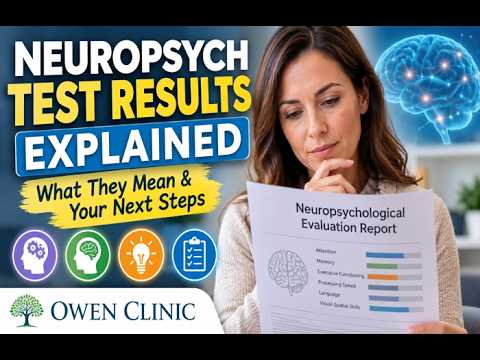
A neuropsychological evaluation report is a detailed clinical document that summarizes a person's cognitive, behavioral, and sometimes emotional functioning. It combines standardized test results with medical history, interviews, observations, and other relevant information. Unlike a simple pass-or-fail exam, neuropsychological testing evaluates performance patterns. A person may show strong verbal abilities while struggling with attention, memory retrieval, or mental flexibility. These differences can help explain difficulties encountered at school, at work, or during everyday activities. A typical report includes the reason for referral, background information, tests administered, behavioral observations, findings, clinical impressions, and recommendations. The interpretation is based on the overall clinical picture rather than any single test score. The American Psychological Association provides additional information about psychological assessment and the role of standardized testing in understanding individual functioning. American Psychological Association: Testing, Assessment, and MeasurementUnderstanding Neuropsychological Test Scores and Percentiles
One of the most confusing parts of interpreting neuropsych results is understanding the numbers. Reports may contain standard scores, scaled scores, T-scores, percentile ranks, and descriptive categories such as average, below average, or exceptionally high. A percentile rank describes how a person's performance compares with an appropriate reference group. For example, a score at the 25th percentile means that the individual performed as well as or better than approximately 25% of people in that comparison group. It does not mean that 25% of the questions were answered correctly. Many tests use standardized scores to account for factors such as age, and some also adjust for other demographic factors. However, scoring systems differ across tests, so the same number may carry different meanings depending on the measure. Importantly, a lower score does not automatically indicate a neurological disorder. Fatigue, sleep difficulties, pain, emotional distress, medication effects, language differences, and other factors may influence performance. Scores should always be interpreted by a qualified professional familiar with the assessment and the patient's clinical history.What Cognitive Strengths and Weaknesses Reveal
A major benefit of neuropsychological testing is its ability to identify both strengths and weaknesses. These findings provide a more complete understanding of how someone processes information, solves problems, and manages daily responsibilities. For example, someone experiencing forgetfulness may actually struggle to sustain attention when information is first presented. Another person may remember information accurately but need additional time to retrieve it. These distinctions matter because different cognitive patterns can call for different strategies. Someone with attention difficulties may benefit from reduced distractions and structured routines, while someone with memory difficulties may need written reminders, repetition, or external memory aids. Strong cognitive abilities can also support treatment planning. A person with effective verbal reasoning may respond well to verbal explanations, while someone with stronger visual skills may benefit from diagrams, checklists, and visual organization tools. The goal is not simply to identify limitations. It is to understand how existing strengths can support everyday functioning.How Neuropsychological Findings Relate to a Diagnosis
Neuropsychological evaluations may help explain conditions involving attention, learning, memory, emotional functioning, or neurological health. Depending on the clinical situation, findings may be relevant to concerns involving ADHD, learning disorders, traumatic brain injury, cognitive decline, or other conditions. However, neuropsychological test results do not always establish a diagnosis on their own. Clinical interpretation requires consideration of symptoms, medical history, developmental background, functional changes, and other evidence. For instance, difficulties with concentration may occur with ADHD, but they can also accompany anxiety, depression, sleep disorders, chronic pain, or medication effects. Similar test performances may therefore have different explanations. A comprehensive evaluation helps distinguish among possibilities and identifies whether additional medical or psychological assessment is appropriate. The National Institute of Neurological Disorders and Stroke offers educational resources about neurological conditions and brain health.Turning Neuropsychological Recommendations Into an Action Plan
The recommendations section is often the most immediately useful part of a neuropsychological report. It links assessment findings to strategies that improve functioning and address specific concerns. Recommendations may include counseling, cognitive rehabilitation, medical follow-up, academic accommodations, workplace adjustments, or practical organizational techniques. The most appropriate next steps depend on the patient's symptoms, diagnosis, goals, and daily responsibilities. For a student experiencing attention and executive functioning difficulties, recommendations might involve breaking assignments into smaller tasks, using planning systems, or discussing appropriate school-based supports. For an adult struggling with memory or processing speed, helpful strategies might include written instructions, scheduled breaks, reminders, or reducing the need to multitask. Not every recommendation must begin immediately. Patients and families can work with their clinicians to prioritize the strategies most likely to address their current needs.Key takeaway: A neuropsychological report is not simply a collection of scores. It is a clinical tool for understanding cognitive functioning and developing informed, individualized next steps.
Using Neuropsych Results to Guide Counseling and Mental Health Care
Neuropsychological findings can provide valuable context for counseling and mental health treatment. Cognitive difficulties and emotional symptoms often interact, making it important to consider both when developing an effective care plan. For example, difficulty organizing tasks may contribute to frustration, stress, or reduced confidence. Anxiety may also interfere with concentration and working memory, making everyday responsibilities feel more demanding. Understanding these relationships can help clinicians tailor counseling approaches to an individual's cognitive abilities and emotional needs. A patient who struggles to remember verbal instructions may benefit from written summaries of therapeutic strategies. Someone with slower processing speed may benefit from additional time to consider questions or practice new skills. When appropriate and with the patient's authorization, coordination among mental health professionals, medical providers, and other specialists can help ensure recommendations are consistent and practical. The National Institute of Mental Health provides evidence-based information about mental health conditions, treatment, and related research.What Families Should Do After Receiving Neuropsychological Results
Family members and caregivers can play an important role in helping patients understand and apply evaluation recommendations. Their involvement should respect the patient's preferences, privacy, independence, and consent. A useful starting point is reviewing the report with the evaluating clinician. This discussion offers an opportunity to clarify unfamiliar terminology, understand the significance of test findings, anprioritizech recommendatioed. Families may also help establish consistent routines, organize appointments, and support recommended strategies at home. When cognitive difficulties affect daily functioning, practical changes may be more helpful than repeated reminders to try harder. Written schedules, simplified instructions, and predictable routines can reduce unnecessary cognitive demands. It is equally important to recognize the patient's abilities and preserve opportunities for independence. Support should be individualized rather than based on assumptions about a diagnosis or test score.When Should Neuropsychological Testing Be Repeated?
Repeat neuropsychological testing may be appropriate when cognitive functioning changes meaningfully, a new neurological concern arises, or clinicians need to evaluate progress over time. For some individuals, follow-up testing helps determine whether cognitive abilities have improved, remained stable, or declined. It may also help reassess educational or functional needs. However, routine retesting is not necessary for everyone. Repeating an assessment too soon can sometimes produce results influenced by familiarity with the tests rather than genuine changes in cognitive ability. A qualified clinician should determine reassessment timing based on the reason for testing, the patient's medical circumstances, and the expected course of the condition. Patients who experience sudden confusion, new weakness, difficulty speaking, or other acute neurological symptoms should seek urgent medical evaluation rather than waiting for repeat neuropsychological testing.People Also Ask: Common Questions About Neuropsychological Results
What does a neuropsychological evaluation tell you?
A neuropsychological evaluation provides information about cognitive strengths and weaknesses, including memory, attention, language, processing speed, and executive functioning. It can help explain functional difficulties and inform clinical recommendations.What is considered a low score on neuropsychological testing?
A low score depends on the specific test, its scoring system, and the relevant comparison group. A score below the expected range may warrant further interpretation, but an isolated low result does not necessarily indicate a disorder.Can neuropsychological testing diagnose ADHD or dementia?
Neuropsychological testing can contribute useful evidence when evaluating ADHD, dementia, and other conditions. However, diagnosis generally requires a broader clinical assessment, and neuropsychological testing alone cannot reliably confirm or exclude every condition.What happens after a neuropsychological evaluation?
After testing, the clinician typically reviews findings and discusses recommendations. Next steps may include medical follow-up, counseling, educational supports, cognitive strategies, or additional assessment, depending on individual needs.How long are neuropsychological test results valid?
Neuropsychological results have no universal expiration date. Their usefulness depends on the evaluation's purpose, changes in functioning, and the requirements of schools, employers, or other organizations.Should neuropsychological results be shared with a therapist?
Sharing relevant findings with a therapist may help guide treatment planning, particularly when cognitive challenges affect emotional functioning or the ability to use therapeutic strategies. Share reports with appropriate consent and attention to confidentiality.Questions to Ask During Your Neuropsychological Feedback Appointment
Patients often benefit from preparing questions before discussing their results. A feedback appointment shouldode more thaexplainof numerical scores; it should clarify what the findings mean for everyday life.- Which cognitive abilities are strongest, and which need additional support?
- What do the findings suggest about the concerns that prompted testing?
- Are the results consistent with a particular diagnosis, or is more evaluation needed?
- Which recommendations should be addressed first?
- Could counseling, medical treatment, or rehabilitation help with the identified concerns?
- Are accommodations at school or work appropriate?
- When should progress be reviewed or additional testing considered?
- Which professionals should receive relevant portions of the report?



No comments:
Post a Comment