The Owen Clinic consists of Christian Counselors. When we hire Clinical Psychotherapists we pride ourselves on Clinical training and awareness. Our clinicians are recognized by the state board of health and by most insurance companies and treat clinical issues addressed in the Diagnostic Statistical Manual (DSM). Our Clinicians use a wide range of therapy modalities for the vast range of issues that you may see. We are prepared to treat symptoms and diagnose clinical issues.
Wednesday, February 18, 2026
How to Rebuild Trust After Hurt in a Marriage
Trust is the foundation on which a marriage is built. When that foundation cracks — through betrayal, emotional hurt, dishonesty, or a pattern of unmet needs — couples often wonder whether what they had can ever be reclaimed. The answer, for many, is yes. Rebuilding trust after hurt in a marriage is one of the most demanding journeys a couple can undertake, but it is also one of the most meaningful. With the right approach, genuine commitment, and often the guidance of a skilled therapist, marriages can not only survive but grow stronger because of what they endured.
Understanding Why Trust Breaks Down
Before trust can be rebuilt, it helps to understand what damaged it. Trust in a marriage rarely shatters overnight without cause. While some breaches — such as infidelity or financial deception — are sudden and dramatic, others develop gradually through repeated patterns: dismissiveness, emotional unavailability, broken promises, or a slow erosion of honesty. Both types of trust injury are legitimate, and both require intentional repair.
Emotionally, a trust injury activates the brain's threat response in much the same way physical danger does. A partner who has been hurt may experience hypervigilance, intrusive thoughts, difficulty sleeping, or emotional withdrawal. These are not signs of weakness — they are predictable responses to a relational wound. Understanding this helps the offending partner extend patience, and it helps the hurt partner avoid self-criticism for struggling to "move on."
Trust also operates in layers. There is trust in a partner's fidelity, honesty, emotional safety, and follow-through on commitments. Different types of hurt damage different layers, which is why a targeted, thoughtful approach to repair matters more than a generic "let's put this behind us."
The Non-Negotiables of Trust Repair
Certain elements must be present for trust repair to succeed. These are not optional extras — they are the foundation of the process.
Full cessation of the harmful behavior. This sounds obvious, but it is frequently where repair efforts collapse. If the behavior that caused the breach is still occurring in any form — including minimized versions of it — there is no soil in which trust can grow. The hurt partner's nervous system will correctly detect the ongoing threat and remain on high alert regardless of how many conversations take place.
Honest acknowledgment without minimization. Phrases like "I'm sorry you feel that way" or "I didn't mean for it to go that far" are counterfeits of accountability. Genuine acknowledgment names what happened, takes full ownership of the impact, and does not shift blame to the hurt partner's response. Research by Dr. John Gottman consistently identifies defensiveness as one of the most reliable predictors of relationship deterioration; the opposite of defensivene,s —genuine accountabili, —is equally predictive of repair.
Consistent follow-through over time. Trust is rebuilt incrementally through hundreds of small, reliable actions. One grand gesture, however sincere, cannot undo a pattern of harm. Both partners need to understand that the repair timeline is measured in months and years, not in conversations.
Practical Steps Couples Can Begin Now
While professional support significantly improves outcomes, there are concrete steps couples can begin taking independently as they work toward healing.
Establish radical transparency. Transparency does not mean surveillance — it means proactively sharing information that helps the hurt partner feel safe. This might include sharing location without being asked, granting access to previously hidden accounts, or simply narrating one's schedule without waiting for questions. Transparency done well communicates "I have nothing to hide, and I want you to feel safe" rather than "I'm tolerating your suspicion."
Create a communication ritual. Many couples in the midst of trust repair either avoid difficult conversations entirely or have them at the worst possible moments — when one or both partners are exhausted, hungry, or in the middle of another task. Establishing a consistent, intentional time to check in — even 20 minutes three times a week — gives both partners a container for processing feelings without every dinner or car ride becoming a potential flashpoint.
Learn and practice repair attempts. In Gottman's research, the ability to make and accept repair attempts — small bids to de-escalate conflict before it becomes destructive — is one of the strongest predictors of long-term relationship health. A repair attempt might be as simple as "I don't want to fight about this" or "Can we start over?" The key is that the hurt partner is also willing to accept these bids rather than keep pushing when the other person is trying to slow things down.
Give the hurt partner a structured way to express pain. Open-ended emotional conversations can become overwhelming quickly. Some couples find it helpful to use a structured format: the hurt partner shares feelings for a set amount of time while the other listens without responding; then roles switch. This prevents the conversation from deteriorating into an argument and ensures both voices are genuinely heard.
Identify and honor attachment needs. Most trust injuries ultimately come down to unmet attachment needs — the deeply human longing to feel chosen, valued, safe, and known by one's partner. Conversations that move from "you did this to me" toward "when this happened, I felt abandoned and alone" tend to open doors that accusations close. Emotionally Focused Therapy (EFT), developed by Dr. Sue Johnson, has robust research support precisely because it addresses attachment needs at this level, rather than only the behavioral surface.
The Role of Professional Support
Attempting to rebuild trust without professional guidance is a bit like setting a broken bone without medical support — it is technically possible. Still, the odds of misalignment are high, and the pain is considerably greater. A skilled couples therapist provides something the couple cannot provide for itself: a neutral, regulated third presence that can hold both partners' experiences simultaneously without taking sides.
Therapists trained in evidence-based models such as the Gottman Method or Emotionally Focused Therapy are equipped to help couples identify the specific negative cycle driving their conflict, slow that cycle down before it becomes destructive, and create the conditions under which genuine vulnerability — and therefore genuine repair — can occur. For couples navigating infidelity specifically, therapists with training in betrayal trauma can help both the hurt partner process what happened, and the offending partner understand the full relational impact of their choices.
For couples whose faith is central to their relationship, faith-integrated counseling can bring an additional layer of meaning and accountability to the process. When both partners share a spiritual framework, healing can draw on shared values around forgiveness, covenant, and redemption in ways that secular models alone may not fully address.
People Also Ask About Rebuilding Trust in Marriage
How long does it take to rebuild trust in a marriage?
Rebuilding trust after hurt in a marriage is not a linear process. For many couples, meaningful progress can take anywhere from several months to a few years,s depending on the severity of the breach, the commitment of both partners, and whether professional support is involved. Consistent effort, honesty, and accountability tend to accelerate the process.
Can a marriage survive betrayal?
Yes. Research and clinical experience show that many marriages not only survive betrayal but also emerge stronger when both partners are willing to do the difficult work of repair. Couples therapy with a licensed professional significantly improves outcomes for couples committed to the process.
What is the first step to rebuilding trust after infidelity?
The first step is a full cessation of the harmful behavior, followed by an honest acknowledgment of its impact on the partner. Without both of these elements in place, meaningful trust repair cannot begin — the hurt partner's nervous system will remain in a threat state regardless of what is said.
Does couples therapy actually work for trust issues?
Evidence-based approaches such as Emotionally Focused Therapy (EFT) and the Gottman Method have strong research support for helping couples navigate trust injuries. Many couples experience significant improvement with structured, professionally guided treatment, particularly when both partners are genuinely invested in the outcome.
Where can couples find marriage counseling in Edmond, Oklahoma?
Owen Clinic, located at 14 East Ayers Street in Edmond, Oklahoma, offers couples therapy and marriage counseling serving the greater Oklahoma City metro area. The clinic can be reached at (405) 655-5180 or (405) 740-1249.
When to Seek Help — and What to Look For in a Therapist
If conversations about the hurt consistently devolve into arguments, if one or both partners feel unable to move forward despite genuine effort, or if the pain has begun to affect daily functioning—sleep, work, parenting—it is time to seek professional support. These are not signs of failure; they indicate that the injury requires a level of skilled attention that partners cannot provide to one another.
When selecting a couples therapist, look for someone with specialized training in couples therapy rather than general therapy. Questions worth asking include: What model do you use for couples work? Do you have experience with betrayal trauma? How do you handle it if one partner is more resistant than the other? A therapist who can answer these questions clearly and specifically is far more likely to provide useful guidance than one who relies solely on general listening skills.
Compatibility matters as well. Both partners should feel that the therapist understands and respects their perspective. If either partner consistently feels ganged up on or dismissed in sessions, that is important feedback — either to raise with the therapist directly or to take as a signal to find a better fit.
What Healing Actually Looks Like
Healing from a trust injury in marriage does not look like forgetting what happened or returning to exactly how things were before. It looks like being able to think about what happened without being overwhelmed by it. It looks like having difficult conversations without the conversation becoming a crisis. It looks like being able to extend a small measure of trust and have that trust honored. And over time, it looks like a relationship that feels — not despite the wound, but partly because of the work done to heal it — more honest, more intentional, and more deeply known than it was before.
That kind of healing is possible. It is difficult and not guaranteed, but for couples willing to do the work with honesty and support, it happens more often than most people in the middle of the pain believe.
Get Support at Owen Clinic — Edmond, Oklahoma
Owen Clinic provides professional couples therapy and marriage counseling for individuals and couples in Edmond and the greater Oklahoma City area. With a clinical approach grounded in evidence-based practice and, for clients who desire it, Christian principles, the clinic offers a structured, supportive environment for couples ready to do the hard work of rebuilding.
Owen Clinic
14 East Ayers Street
Edmond, Oklahoma 73034
(405) 655-5180(405) 740-1249www.owenclinic.net
Couple Relationship Therapy helps partners rebuild trust, improve communication, and strengthen emotional connection in a safe and supportive environment. Through guided sessions, couples learn to resolve conflicts, understand each other’s needs, and develop healthier relationship patterns. Whether you are facing misunderstandings, distance, or major life challenges, professional therapy offers practical tools to restore harmony and deepen intimacy. It is ideal for married, committed, or dating couples who want to grow together, reconnect, and create a more balanced and fulfilling relationship.

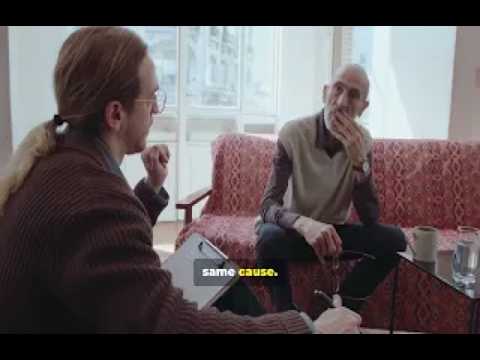


Couple Relationship Therapy helps partners rebuild trust, improve communication, and strengthen emotional connection in a safe and supportive environment. Through guided sessions, couples learn to resolve conflicts, understand each other’s needs, and develop healthier relationship patterns. Whether you are facing misunderstandings, distance, or major life challenges, professional therapy offers practical tools to restore harmony and deepen intimacy. It is ideal for married, committed, or dating couples who want to grow together, reconnect, and create a more balanced and fulfilling relationship.
ReplyDelete